Natural wonders
Twenty natural wonders, among them rivers, mountains, volcanoes, lakes, waterfalls, deserts and a coral reef. Each entry says what it is and where it is, with a source link.
The card game to explore these worlds is coming online soon. Until then, you can read every card here with its source.
Amazon River
Amazon River: river. Location: South America.
No river carries more water: about a fifth of all river water flowing into the oceans.
Nile
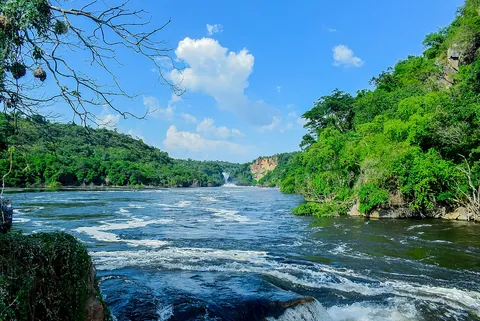
Nile: river flowing into the Mediterranean Sea. Location: northeast Africa.
Its drainage basin covers eleven countries.
Mount Everest
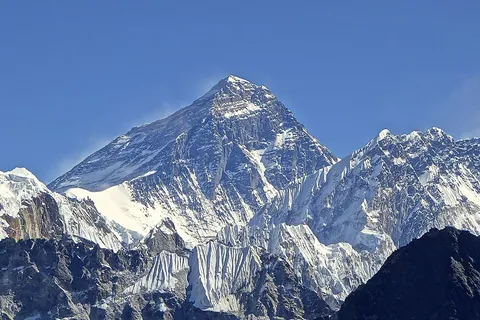
Mount Everest: mountain on the China–Nepal border. Location: the Himalayas.
At 8,849 metres, the highest mountain above sea level; first climbed in 1953.
Mount Vesuvius
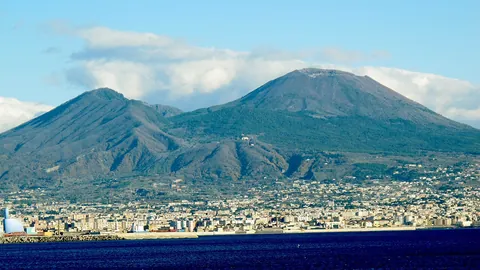
Mount Vesuvius: volcano. Location: Italy.
Its eruption in AD 79 buried the Roman city of Pompeii.
Grand Canyon
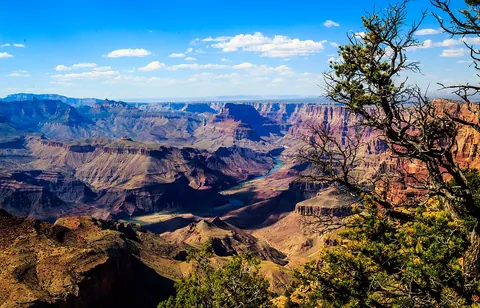
Grand Canyon: canyon carved by the Colorado River. Location: Arizona.
About 446 kilometres long and up to 1,857 metres deep.
Niagara Falls
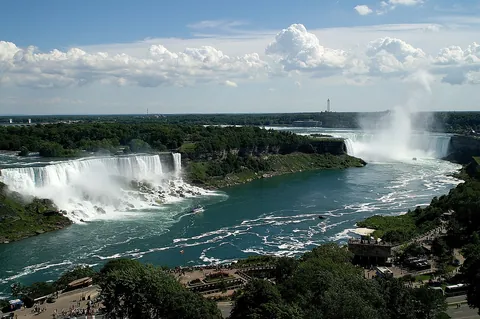
Niagara Falls: group of waterfalls. Location: the Canada–United States border region.
There are three waterfalls; the largest, Horseshoe Falls, straddles the border.
Lake Baikal
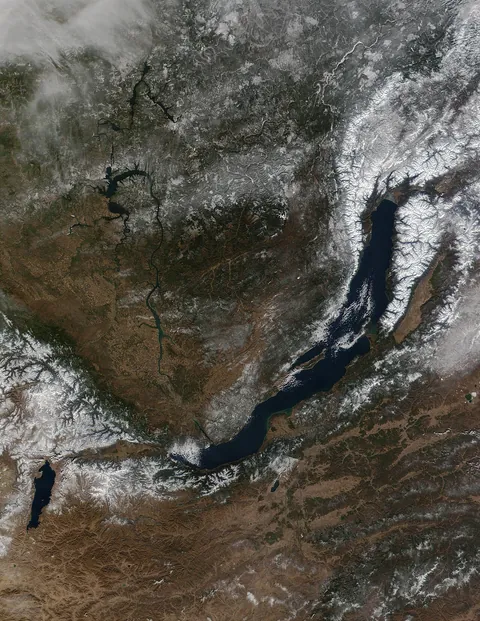
Lake Baikal: deep lake. Location: Siberia.
The deepest lake in the world (1,642 metres), with more than a fifth of all fresh surface water.
Lake Victoria
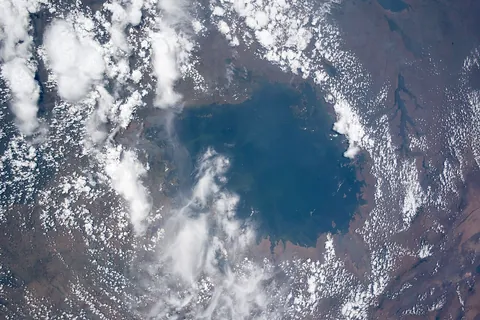
Lake Victoria: large lake. Location: East Africa.
The largest lake in Africa and the largest tropical lake in the world.
Victoria Falls
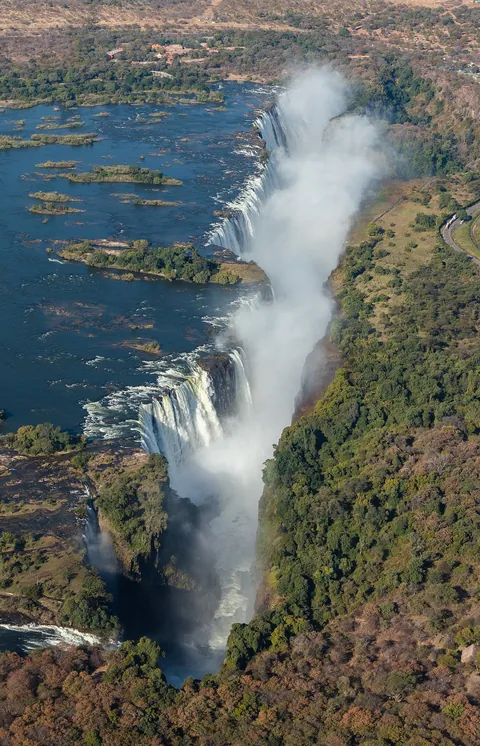
Victoria Falls: waterfall on the Zambezi. Location: the Zambia–Zimbabwe border region.
Its local name, Mosi-oa-Tunya, means ‘the smoke that thunders’.
Angel Falls
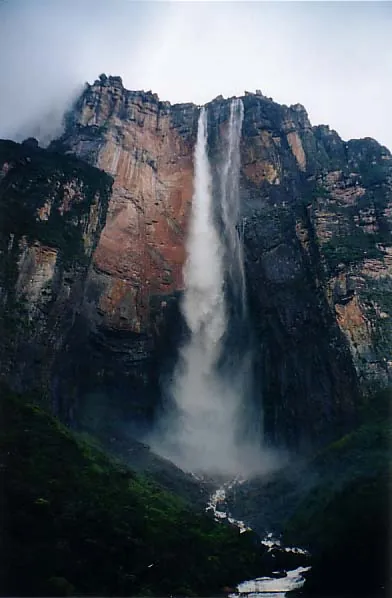
Angel Falls: waterfall. Location: Venezuela.
The tallest waterfall in the world: 979 metres in total, with an uninterrupted drop of 807 metres.
Dead Sea
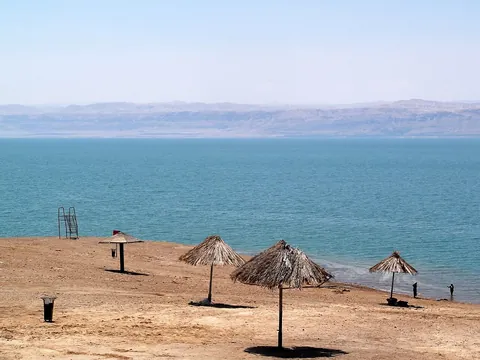
Dead Sea: salt lake. Location: the Jordan Rift Valley.
Its surface lies about 440 metres below sea level, and the water is almost ten times as salty as the ocean.
Yellowstone National Park
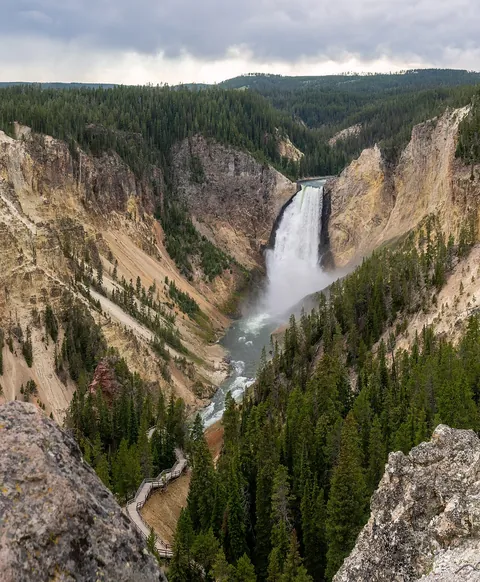
Yellowstone National Park: national park with geothermal features. Location: the United States.
Created in 1872, it is widely seen as the first national park in the world.
Mount Fuji
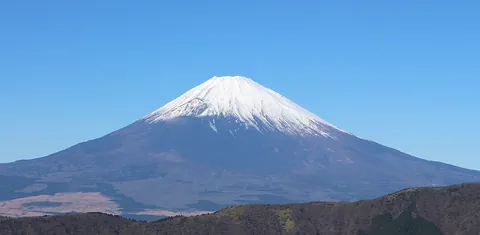
Mount Fuji: volcano. Location: Japan.
At 3,776 metres, the highest mountain in Japan; it last erupted in 1707–1708.
Great Barrier Reef
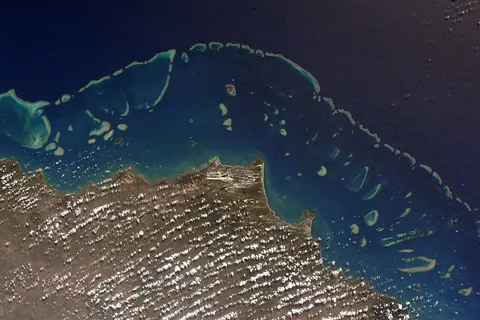
Great Barrier Reef: coral reef system. Location: the Coral Sea off Australia.
The largest coral reef system in the world: over 2,900 reefs stretching more than 2,300 kilometres.
Uluru
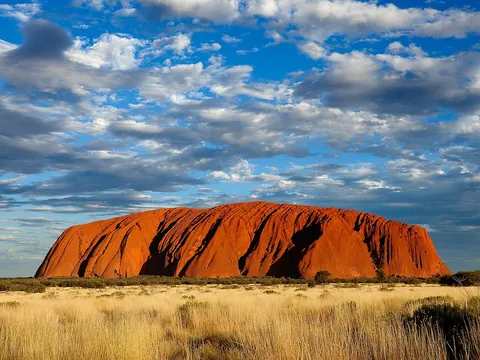
Uluru: sandstone monolith. Location: Australia.
It rises 348 metres above the plain and is sacred to the Aṉangu, the Aboriginal people of the area.
Galápagos Islands
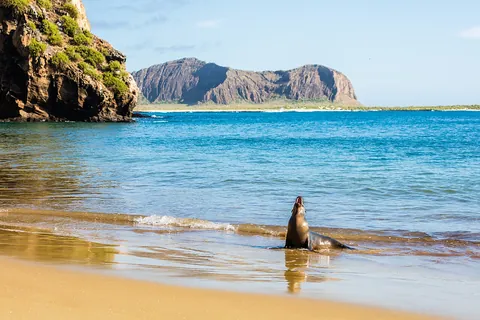
Galápagos Islands: volcanic archipelago. Location: the Pacific Ocean.
Charles Darwin visited in 1835; the name comes from the Spanish word for tortoise.
Giant’s Causeway
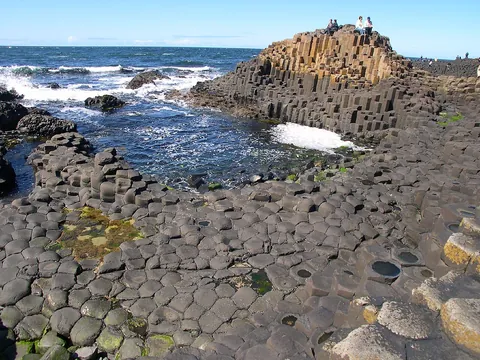
Giant’s Causeway: area of basalt columns. Location: Northern Ireland.
About 40,000 basalt columns, most of them six-sided, formed by volcanic activity 50 to 60 million years ago.
Sahara
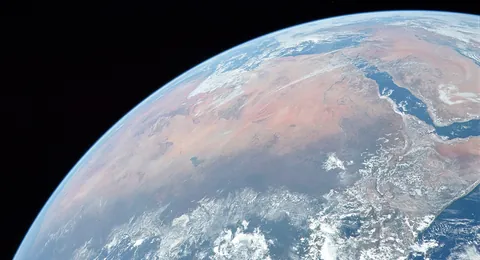
Sahara: desert. Location: North Africa.
The largest hot desert in the world; only the polar deserts of Antarctica and the Arctic are bigger.
Plitvice Lakes National Park
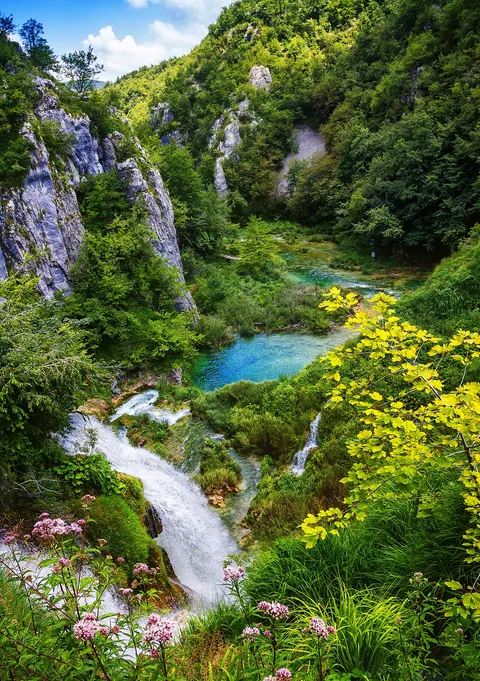
Plitvice Lakes National Park: national park with lakes and waterfalls. Location: Croatia.
Sixteen lakes, linked by waterfalls, form a staircase of water; a UNESCO World Heritage Site since 1979.
Atacama Desert
Atacama Desert: desert. Location: Chile.
The driest non-polar desert in the world; scientists test Mars instruments here.